LM
II
Lennart Meri
6 October 1992 – 8 October 2001 · Two termsWriter, filmmaker and foreign minister. Served two terms as the first head of state after independence was restored.
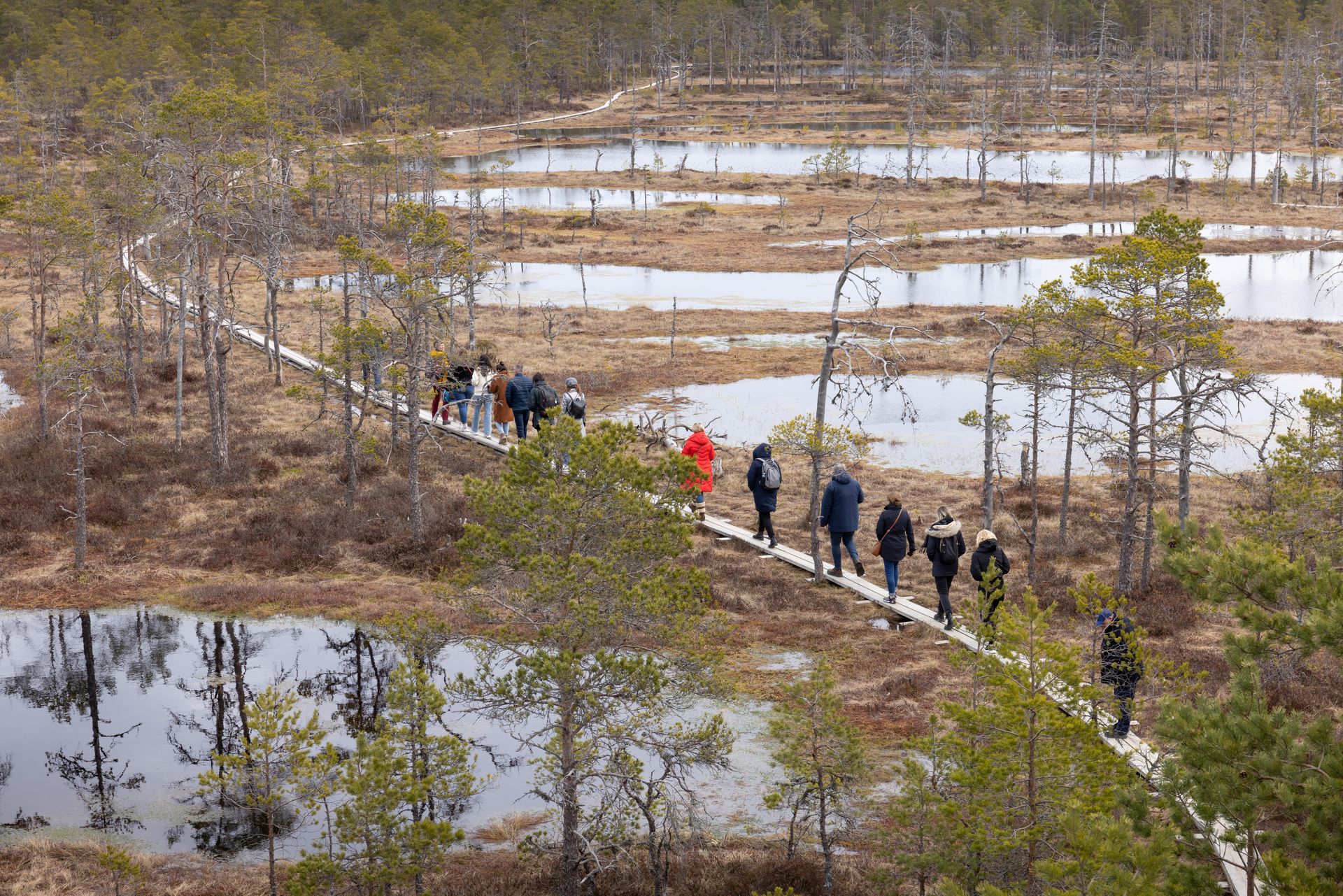 Photo: Toomas Tuul / Visit Estonia · Viru bog, Lahemaa National Park
A record of the heads of state of the Republic of Estonia from Lennart Meri, who took office in October 1992, to the present day: their lives, their terms and the country they served.
The death of communism is being proclaimed from the rooftops, but no one has yet seen a corpse.
In order of office. Numbering follows the official count, which begins with Konstantin Päts.
Writer, filmmaker and foreign minister. Served two terms as the first head of state after independence was restored.
Agronomist who chaired the Supreme Council in 1991. President when Estonia joined NATO and the European Union.
Diplomat and former journalist. Made e-Estonia and cyber security part of the country's international identity.
Biologist and auditor at the European Court of Auditors. The first woman, and the youngest person, to hold the office.
Molecular geneticist, university rector, Auditor General and museum director. President through Russia's war on Ukraine.
Constitutional lawyer and Chancellor of Justice from 2015 to 2026. The second woman to hold the office.
Photographs and notes from the work of the President of the Republic, published by the Office of the President.
@president_ylle.madise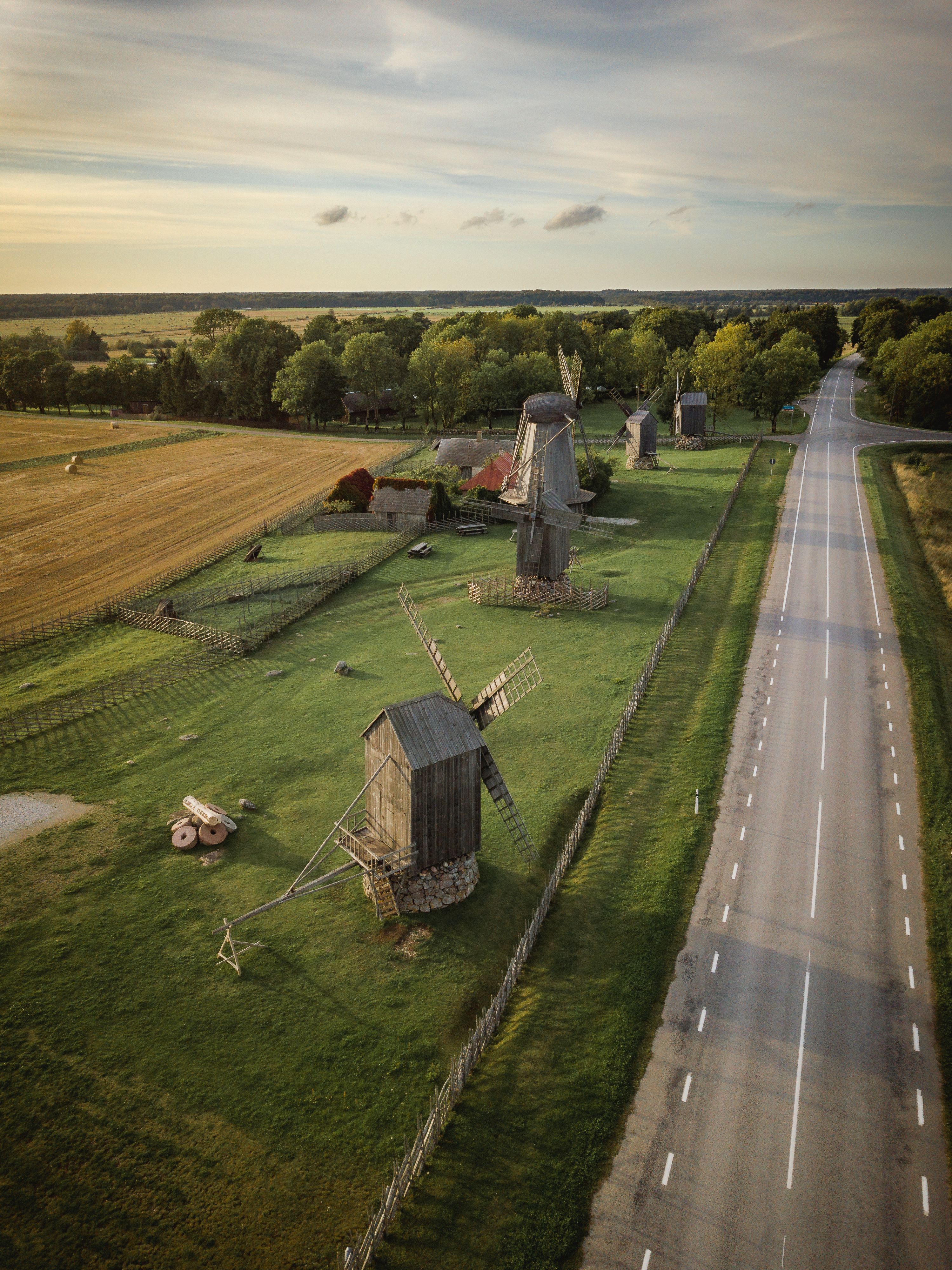 Photo: Valmar Voolaid / Visit Estonia · Angla windmills, Saaremaa
The major events and achievements since 20 August 1991, in politics, the economy, the digital state, culture, nature and sport, set out by the presidency in which they took place, with the European and world events that shaped each period. Use the filters to narrow the view.
Hard-liners try to seize power in the Soviet Union; the coup collapses within three days.
The Supreme Council declares the restoration of the Republic of Estonia.
Estonia, Latvia and Lithuania are admitted to the UN.
Fifteen successor states take its place.
Estonia introduces its own currency, the first former Soviet republic to do so.
Adopted by referendum, restoring parliamentary democracy.
The death of communism is being proclaimed from the rooftops, but no one has yet seen a corpse.
Great bogs and floodplains are protected, where the spring flood is known as the fifth season.
The Maastricht Treaty enters into force.
Estonia introduces a single rate of income tax, one of the first countries in Europe to do so.
Foreign military forces are withdrawn from Estonian soil.
The ferry sinks on its way from Tallinn to Stockholm; 852 people lose their lives.
Austria, Finland and Sweden join the European Union.
Border checks end between the first seven Schengen countries.
UNESCO inscribes the historic centre of the capital.
Estonia is in the first group of candidates to begin negotiations.
Eleven EU countries share a single currency.
The Czech Republic, Hungary and Poland join the Alliance.
Estonia becomes a member of the WTO.
Companies pay income tax only when they distribute their profits.
Vladimir Putin is inaugurated as President of the Russian Federation.
Erki Nool wins the decathlon.
Tanel Padar, Dave Benton and 2XL win the Eurovision Song Contest with Everybody.
Terrorist attacks in New York and Washington kill nearly 3,000 people.
It is precisely action based on values that can provide answers in complicated situations.
A secure data exchange layer begins linking the state's databases, the backbone of e-government.
Cash in the single currency enters circulation in twelve countries.
A national ID card with a legally binding digital signature goes into use.
Andrus Veerpalu wins the 15 km classical cross-country race.
The Saku Suurhall stages the contest for Europe.
A US-led coalition invades Iraq.
Built by Estonian engineers, the internet calling service is launched and soon used around the world.
Two thirds of voters approve membership of the European Union in a referendum.
UNESCO recognises the Baltic song and dance celebrations.
Membership of the North Atlantic Alliance.
One of ten countries to join in the largest enlargement of the Union.
The great bird wetland on the west coast becomes a national park.
An earthquake and tsunami kill more than 200,000 people.
The first international climate treaty with binding targets enters into force.
The first nationwide internet voting, in the local elections.
The new Art Museum of Estonia opens in Kadriorg, Tallinn.
Kristina Šmigun wins two Olympic titles and Andrus Veerpalu one in cross-country skiing.
Openness makes Estonia greater, pettiness makes it smaller.
Citizens can vote online in elections to the Riigikogu.
The moving of a Soviet war memorial in Tallinn is followed by riots and by the first large cyberattack on a state.
Border checks with European neighbours come to an end.
In a single day, about 50,000 volunteers clear illegally dumped rubbish from the country's forests and roadsides.
The Cooperative Cyber Defence Centre of Excellence is founded.
Russia and Georgia fight a five-day war over South Ossetia.
Gerd Kanter wins the discus throw.
Lehman Brothers collapses and a global financial crisis follows.
The economy shrinks by about 14 per cent; the government answers with deep budget cuts and keeps the course for the euro.
The reform treaty of the European Union enters into force.
The first rescue package is agreed for Greece.
Estonia joins the Organisation for Economic Co-operation and Development.
Estonia adopts the single European currency.
A year of culture along the sea, with the city's waterfront opened up to the public.
Kristo Käärmann and Taavet Hinrikus found the money transfer company now known as Wise.
An earthquake and tsunami in Japan cause a nuclear disaster.
The European Union is awarded the prize for advancing peace and reconciliation.
Russia annexes Crimea and war begins in eastern Ukraine.
A government-issued digital identity becomes available to people worldwide.
More than a million people seek asylum in the European Union.
Nearly every country agrees to limit global warming.
The United Kingdom votes to leave the European Union.
A new home for the nation's museum, built on a former Soviet airfield.
Anyone who appreciates our language, customs and values can be an Estonian.
Estonia holds the rotating presidency for the first time.
One hundred years since the Declaration of Independence of 1918.
The forests and bogs of north-east Estonia, home to bears, lynx and flying squirrels, become the newest national park.
The movement begun in Estonia brings volunteers out in more than 150 countries.
A home for the composer's archive opens in the pine forest at Laulasmaa.
Elected as a non-permanent member for 2020–2021, for the first time.
The jubilee festival in Tallinn marks a century and a half since the first, in Tartu in 1869.
Ott Tänak and co-driver Martin Järveoja win the world title.
The EU sets the goal of becoming climate neutral by 2050.
The first member state to leave.
The World Health Organization declares COVID-19 a pandemic.
COVID-19 vaccination starts across the European Union.
Kaja Kallas forms a government.
The Estonian-founded company lists in London.
Estonia's culture is our defence against darkness; it is our national identity.
The largest war in Europe since 1945.
The public release of ChatGPT brings artificial intelligence into everyday use.
For the first time, more than half of the votes in the Riigikogu elections are cast over the internet.
Finland in April 2023, Sweden in March 2024.
Hamas attacks Israel and war in Gaza follows.
Estonia becomes the first former Soviet country to allow same-sex couples to marry.
Tartu and southern Estonia host a year of culture under the theme Arts of Survival.
The European Union opens accession negotiations with Ukraine and Moldova.
Kaja Kallas becomes the EU High Representative for Foreign Affairs and Security Policy.
With Latvia and Lithuania, Estonia leaves the Russian-controlled grid and synchronises with continental Europe.
At The Hague, allies commit to spending 5 per cent of GDP on defence and security by 2035.
Everyone here in Estonia must feel that they are an asset, as are their life, work, and creation.
The Riigikogu elects Ülle Madise with 71 of 101 votes.
The seventh President of the Republic and the second woman to hold the office.
Quotations are reproduced as published in English by the linked sources. The words of Lennart Meri are widely attributed to him but not traced to a recorded speech.
 Photo: Giulio Gröbert / Visit Estonia · Tallinn at dusk
As set out in the Constitution of 1992
The Riigikogu elects the President by a two-thirds majority, at least 68 of its 101 members. If three rounds produce no result, an electoral college of Riigikogu members and local council representatives decides.
The term is five years. No person may serve more than two consecutive terms. While in office, the President suspends any party membership.
The President is head of state, represents Estonia in international relations, proclaims laws and may return them to the Riigikogu, and is the supreme commander of national defence.
Konstantin Päts became the first President of the Republic of Estonia in 1938 and held office until the Soviet occupation in 1940. The official numbering of presidents begins with him, which is why Lennart Meri is counted as the second. During the occupation, the continuity of the state was kept by heads of state in exile; the last of them, Heinrich Mark, served from 1990 until 1992. This site covers the presidents who have served since independence was restored.
Primary sources from president.ee, the website of the Office of the President
The Office of the President publishes an official portrait of every head of state, and a photo archive of state visits, ceremonies and receptions.
Terms of use: publication requires permission from the Office of the President, commercial use requires a licence agreement, and the photos may not be cropped or altered. Contact: vpinfo(at)vpk.ee.
Official portraits Photo albums on FlickrA digital state, a singing nation, half a country of forest and a history of quiet endurance. Five things the world knows Estonia for.
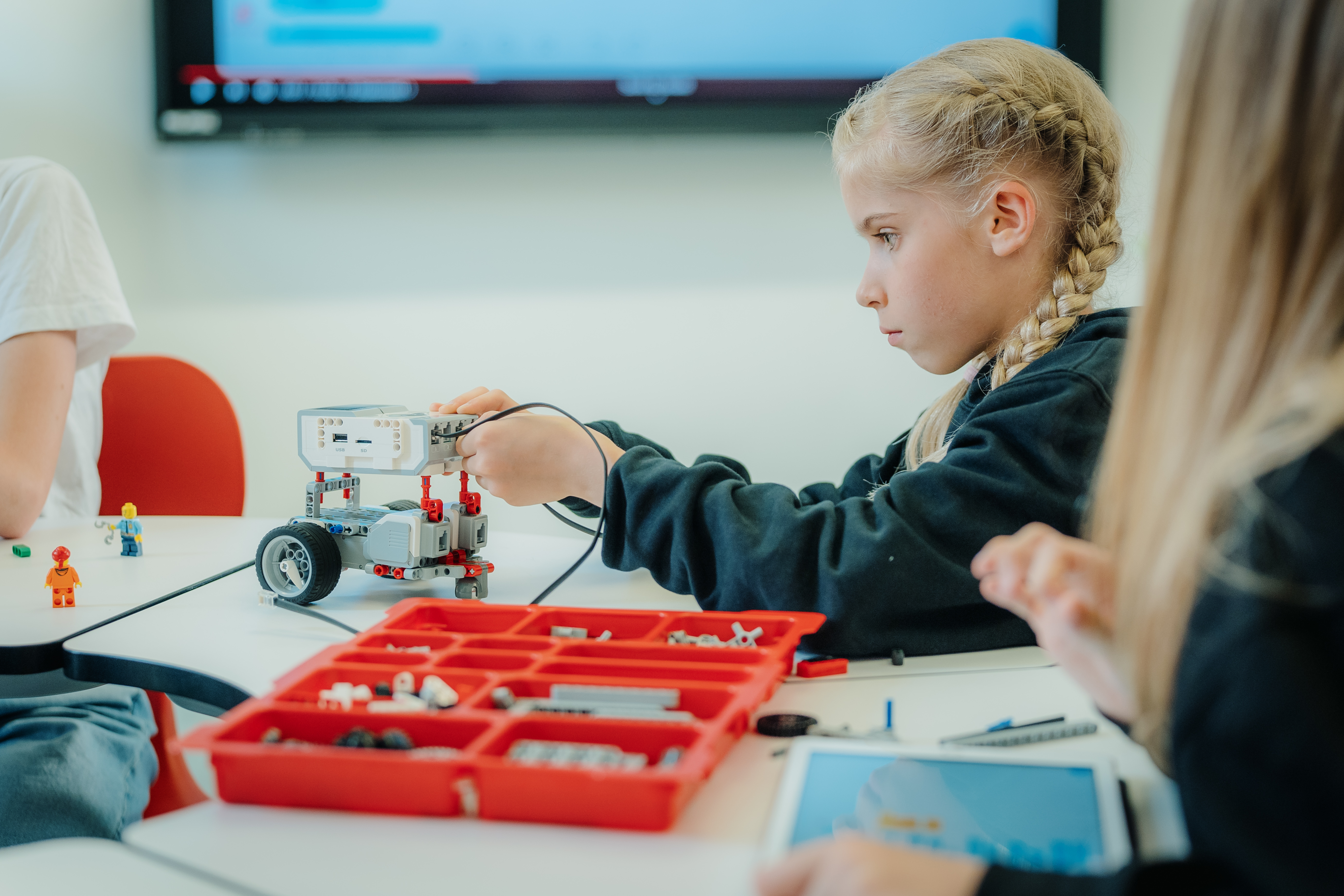 Photo: Johannes Arro / Visit Estonia · Building a robot01A digital societyFew countries have moved as much of public life online. An Estonian can start a company, sign a contract, see a doctor's prescription or vote from a laptop, and the state asks for the same information only once.
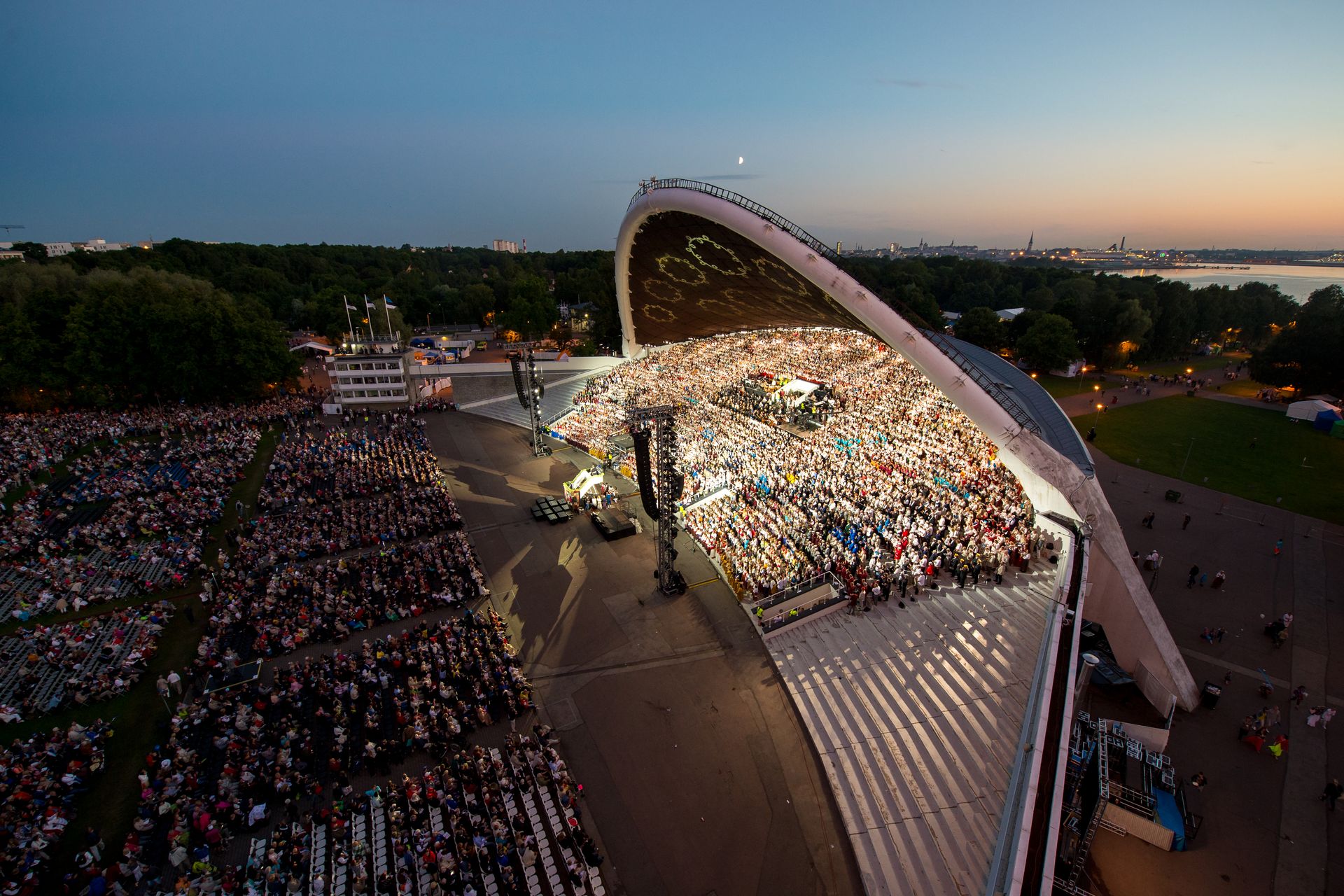 Photo: Aivar Pihelgas / Visit Estonia · The Song Celebration in Tallinn02Song, music and cultureEstonians sang their way to freedom. The song festival, held since 1869, gathers tens of thousands of singers on one stage, and the country's composers are performed in concert halls across the world.
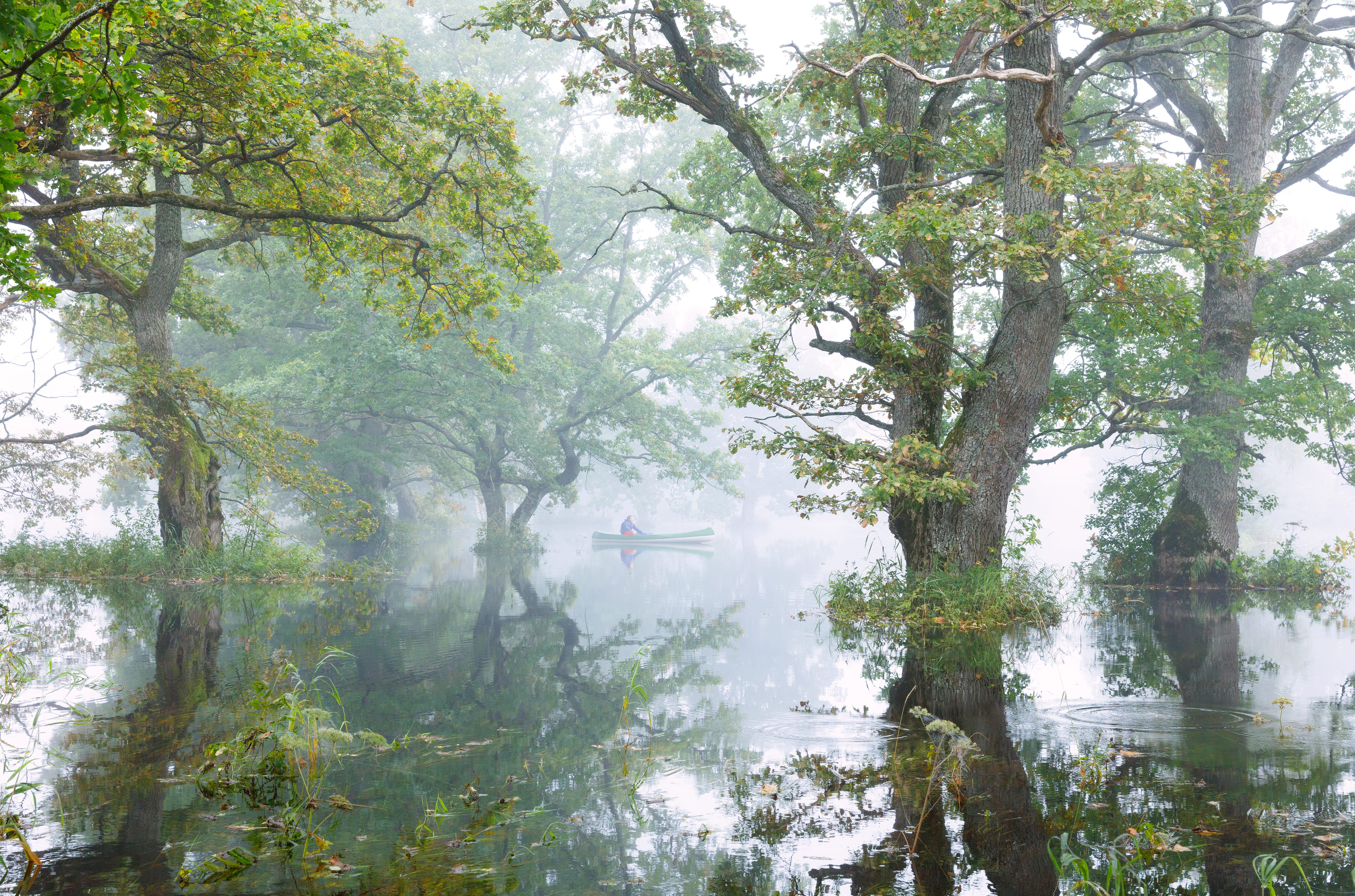 Photo: Jarek Jõepera / Visit Estonia · Autumn in Soomaa03Forests, bogs and islandsHalf of Estonia is forest, a fifth is wetland, and its coast is scattered with more than two thousand islands. Wolves, bears and lynx still live here, an hour's drive from the capital.
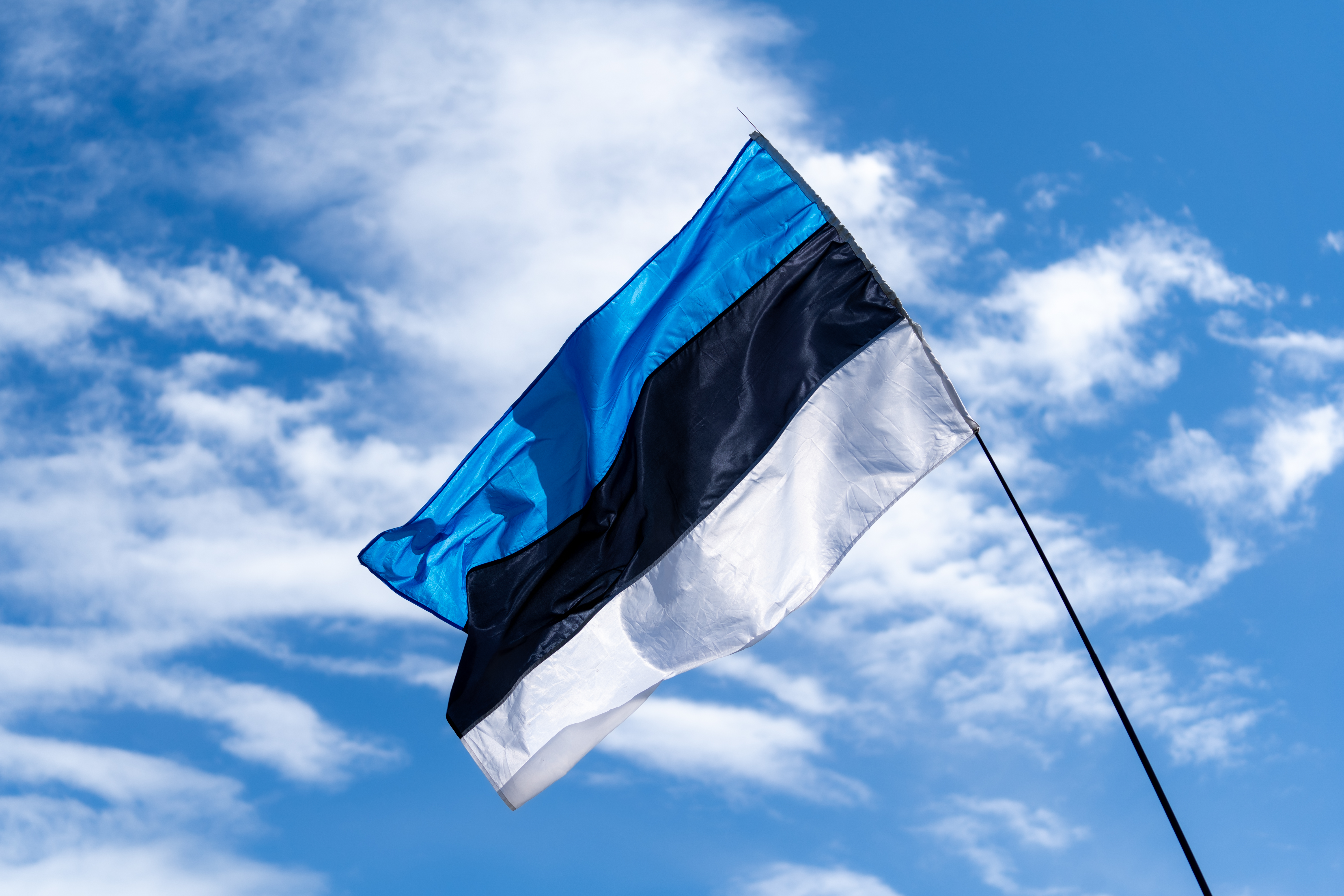 Photo: Martti Volt / Visit Estonia · The blue, black and white04A history of enduranceThe Republic was declared on 24 February 1918, defended in the War of Independence, occupied in 1940 and restored on 20 August 1991, without a shot being fired.
Composers and code writers, a chess legend and a world rally champion: ten of the people the country is famous for.
Born in Paide. His tintinnabuli style, heard in Für Alina, Spiegel im Spiegel and Tabula Rasa, made him one of the most performed living composers in the world.
Their story →Spent his early childhood in Kuressaare on Saaremaa before emigrating to the United States. Designed the Salk Institute, the Kimbell Art Museum and the National Assembly of Bangladesh.
Their story →One of the engineers behind Kazaa and Skype, which connected the world by voice. He now funds research into the long-term risks of artificial intelligence.
Their story →Skype's first employee. In 2011 he co-founded TransferWise, now Wise, which made sending money abroad cheap and transparent.
Their story →From the gravel roads of Saaremaa to the world title: in 2019 he and co-driver Martin Järveoja became World Rally Champions.
Their story →Born in Paide, she became one of the leading models of the late 1990s and 2000s. A keen chess player, she has also led the Estonian Chess Federation.
Their story →Born in Narva. Winner of the great AVRO tournament of 1938 and four times runner-up in the Candidates: the strongest player never to become world champion, it is often said.
Their story →Professor at the University of Tartu who founded the Tartu–Moscow school of semiotics and taught generations how to read culture as a language.
Their story →Born at Piibe in Järvamaa. Discovered the mammalian egg cell in 1827 and is regarded as a founder of embryology. His statue stands on Toome Hill in Tartu.
Their story →Born on Saaremaa. In January 1820 the expedition he led was among the first to sight the continent of Antarctica.
Their story →Selected from the People collection of Minu Eesti, eestivabariik.ee, where each has a fuller story. Photographs from Wikimedia Commons. eestivabariik.ee
Spotify's player loads only now and plays nothing until you press play. Without a Spotify account it may offer short previews.
Open Arvo Pärt on Spotify